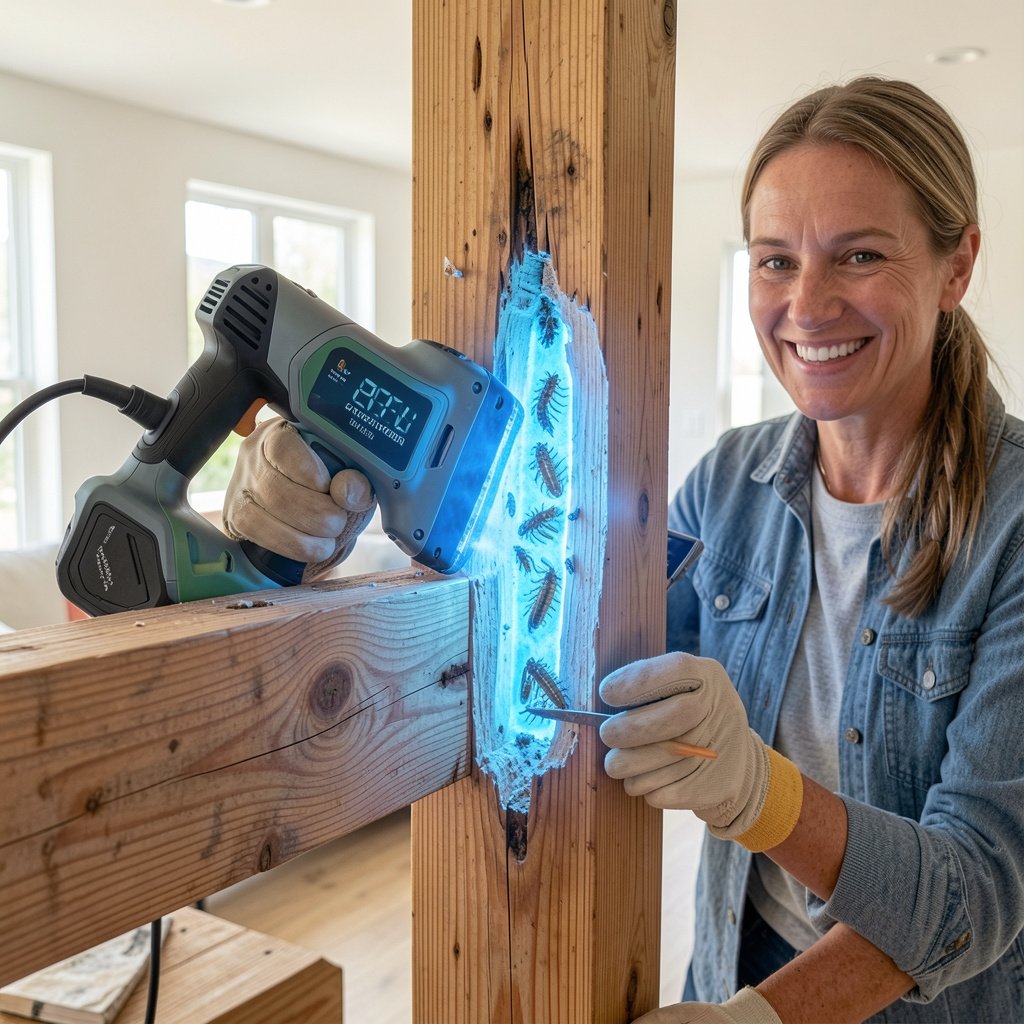
Wood-boring insects are a worldwide problem. From mountain villages with centuries-old timber homes to tropical islands where humidity can affect wooden structures, protecting timber is a challenge shared by homeowners, restoration professionals, museums, and pest control companies alike.
While the environments may be vastly different, the need is the same: eliminate active wood-boring insects while preserving valuable wood. Since its founding in 2012, Shashel has expanded beyond its European roots, providing professional microwave technology to customers around the world. Today, the company supplies its equipment internationally, supporting wood preservation projects in a wide variety of climates and building types.
One Challenge, Many Countries
Wood is one of the world’s oldest and most versatile building materials.
Across continents, it is used in:
- Family homes
- Historic churches
- Museums
- Timber-framed buildings
- Commercial properties
- Heritage landmarks
- Agricultural structures
- Antique furniture
Although construction styles vary from region to region, wood-boring insects remain a common threat to these valuable structures.
From Europe to the World
Shashel began with a clear objective: develop a professional microwave system that could eliminate wood-boring insects without relying on chemical pesticides.
As awareness of chemical-free wood preservation has grown, so has international interest in this technology.
According to the company, Shashel now provides worldwide delivery and supports customers across multiple regions, reflecting the growing demand for modern wood preservation solutions.
Why the Technology Travels Well
One reason microwave technology has gained international attention is that its operating principle is based on science rather than climate.
Whether treating timber in:
- Cold mountain regions
- Coastal communities
- Historic European cities
- Tropical environments
- Modern residential developments
the objective remains the same—eliminate active wood-boring insects hidden inside timber.
Because the treatment uses carefully controlled non-ionizing microwave energy instead of chemical pesticides, it can be adapted to many different types of buildings and restoration projects.
A Solution for Different Types of Timber
Every country has its own building traditions.
Some regions feature:
- Oak framing
- Pine roof structures
- Spruce beams
- Hardwood flooring
- Decorative wood paneling
- Handcrafted furniture
Regardless of the timber species, active wood-boring insects often follow a similar lifecycle by laying eggs on wood and allowing larvae to develop beneath the surface.
Shashel technology targets these hidden insects without relying on chemical coatings or fumigation.
Trusted Across Many Industries
The global appeal of microwave treatment extends beyond residential homes.
Professional users include those working in:
- Pest control
- Building restoration
- Heritage conservation
- Museum collections
- Property maintenance
- Historic preservation
- Commercial construction
Each sector benefits from solutions that help preserve valuable timber while reducing unnecessary chemical use.
Supporting Historic Buildings Worldwide
Historic timber is irreplaceable.
Across the world, countless buildings contain original wooden components that have survived for generations.
Examples include:
- Churches
- Castles
- Historic homes
- Libraries
- Museums
- Cultural landmarks
- Traditional farmhouses
Replacing original beams is often undesirable unless absolutely necessary.
By eliminating active infestations while helping preserve existing wood, Shashel supports conservation projects that value authenticity and long-term preservation.
A Chemical-Free Approach for Modern Expectations
Property owners today increasingly seek environmentally responsible alternatives to conventional pesticide treatments.
Microwave technology offers several practical benefits:
- No chemical insecticides
- No toxic fumigants
- No chemical residues on treated timber
- Targeted treatment of affected wood
- Reduced environmental impact
These advantages have contributed to growing international interest in professional microwave woodworm treatment.
Built on Established Science
The effectiveness of microwave treatment is based on established physical principles.
Wood-boring insects contain considerably more moisture than dry, seasoned timber.
When controlled microwave energy passes through the wood:
- Moisture-rich insects absorb energy efficiently.
- Their internal temperature rises.
- The surrounding timber is treated under carefully controlled conditions.
This process can eliminate:
- Eggs
- Larvae
- Pupae
- Adult beetles present within the treated area
Rather than relying on chemical toxicity, the treatment uses controlled heat to interrupt the insect lifecycle.
Adapting to Different Projects
Every building presents unique challenges.
Professional microwave treatment can be planned for projects involving:
- Roof beams
- Floor joists
- Timber framing
- Antique furniture
- Decorative ceilings
- Structural supports
- Commercial timber installations
Before treatment begins, technicians assess the condition of the wood, the extent of the infestation, and the characteristics of the structure to determine the most appropriate approach.
Innovation Without Borders
Technology has made it possible for specialized equipment to support professionals across continents.
Whether working in alpine regions, coastal towns, busy cities, or remote island communities, the principles of effective wood preservation remain remarkably consistent.
This international reach demonstrates that the challenges of protecting timber are shared around the world—and so are the benefits of innovative solutions.
Looking Ahead
As awareness of sustainable building maintenance continues to grow, the demand for modern wood preservation technologies is expected to increase.
Property owners are increasingly looking for solutions that offer:
- Effective treatment of active infestations
- Preservation of original timber
- Reduced dependence on pesticides
- Environmentally responsible operation
- Long-term protection
Shashel continues to support these goals by providing professional microwave systems for customers around the world.
More Than a Geographic Journey
The phrase “From the Alps to Bora Bora” represents more than physical distance. It reflects the adaptability of a technology designed to protect timber wherever it is found.
From historic European villages to tropical destinations, every wooden structure deserves protection that respects its craftsmanship, history, and value. By combining scientific principles with practical engineering, Shashel has created a solution that serves professionals and property owners across a wide range of climates and building environments.
Conclusion
Wood-boring insects do not recognize borders, and neither should the solutions used to control them. From mountain communities to island destinations, protecting timber requires technology that is effective, reliable, and environmentally responsible.